Every twenty-three seconds, a property crime occurs somewhere in this country. Homeowners lose thousands. Business owners face devastating losses. Yet there’s one tool that consistently turns the tables on criminals—and it’s more accessible than you might think. Security cameras have evolved beyond simple recording gadgets into sophisticated guardians that never sleep, never look away, and never forget. They stop crimes before they happen and solve them when prevention fails. Here’s what you need to understand about turning your vulnerable property into a fortress.
Layered Defense: How Camera Systems Actually Protect You
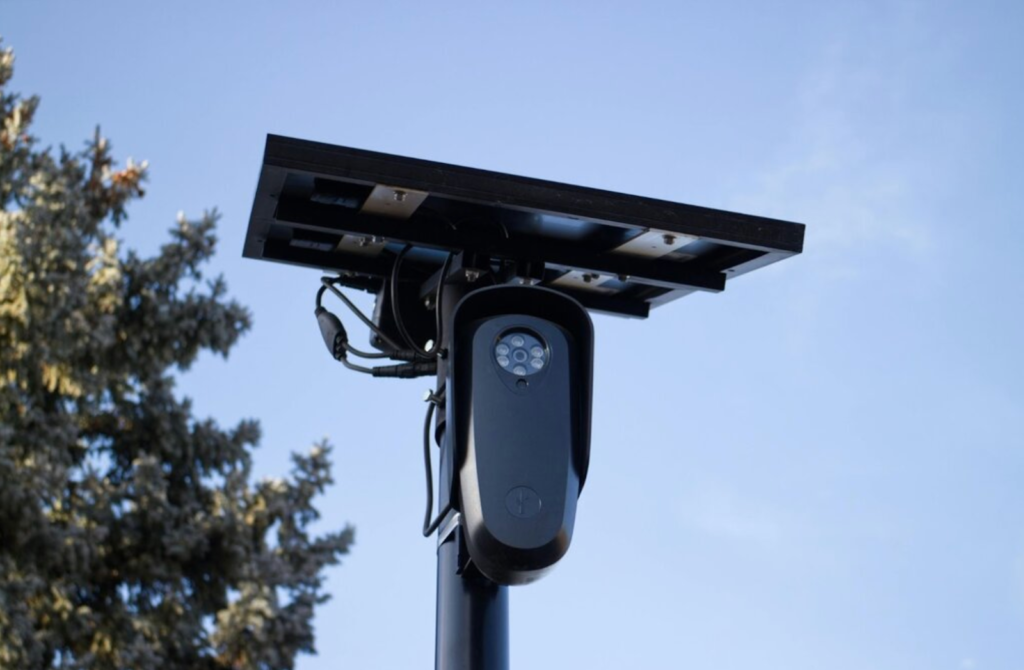
Today’s camera technology doesn’t sit passively in the corner collecting dust. Instead, it builds multiple defensive walls around everything you’ve worked to protect. Think of it like an onion—each layer makes it harder for criminals to reach the center.
Stopping Crime Before It Starts
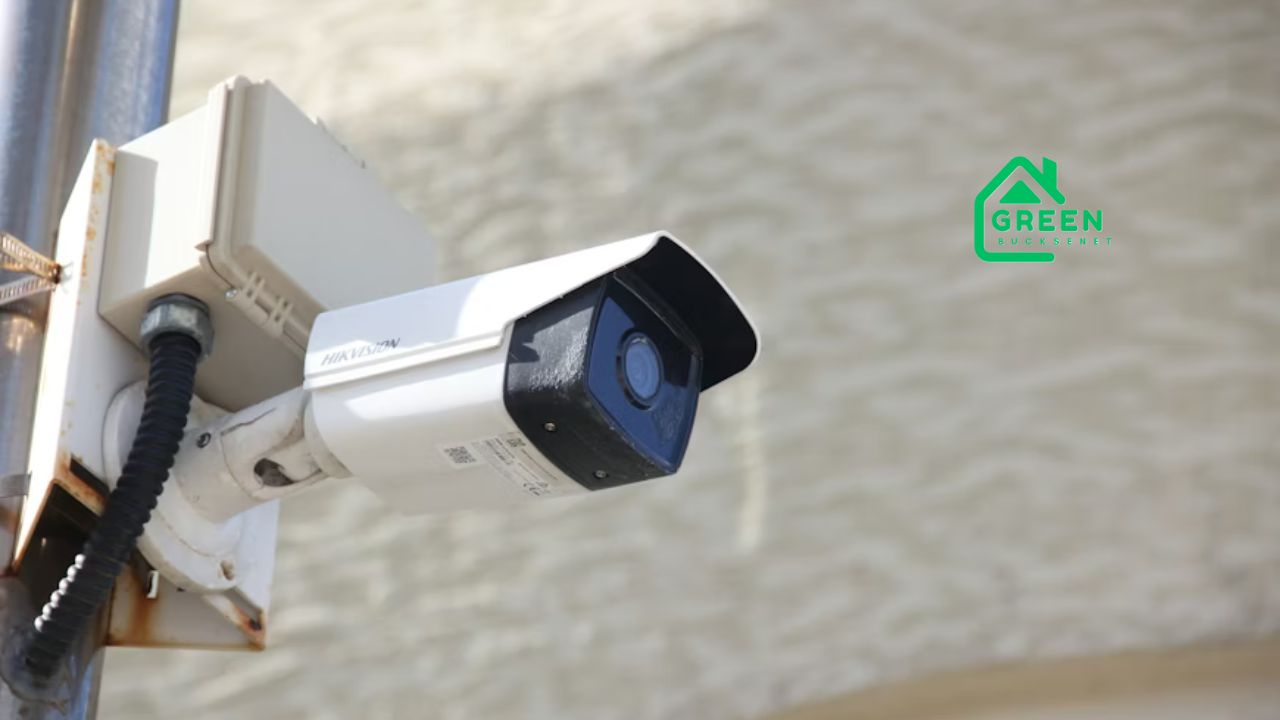
Want to know the fastest way to make a burglar turn around? Mount visible cameras where they’ll be seen first. The statistics don’t lie—properties lacking security systems face 300 percent higher burglary rates. That’s not a typo. Criminals are fundamentally lazy. They scout for easy marks, not challenges.
Your front entrance? That’s prime real estate for camera placement. Driveways and side passages, too. When thieves spot those lenses pointed their way, they suddenly remember they have somewhere else to be. Add warning signs to your camera setup, and you’ve just created a psychological fortress that most intruders won’t even attempt to breach.
Instant Awareness When Trouble Shows Up
Modern surveillance cameras do something remarkable—they tap you on the shoulder the moment something’s wrong. Motion sensors work with your smartphone, sending alerts before intruders can do real damage. You’re not discovering break-ins hours later anymore. You’re responding while they’re still happening.
The AI revolution has changed monitoring completely. These smart systems now differentiate between your Amazon delivery, the neighbor’s cat, and actual threats. False alarms? They’ve plummeted. Genuine emergencies? They get flagged immediately. Some monitoring services even dispatch police within seconds of detecting real danger.
Building an Ironclad Evidence Trail
When something does go wrong, high-definition footage becomes your most powerful ally. Time-stamped video doesn’t forget details or misremember sequences. Insurance companies need proof—cameras provide it. Police need leads—cameras deliver them. License plate numbers, facial characteristics, clothing details—everything gets preserved.
Cloud storage takes evidence protection even further. Criminals can smash your cameras, but they can’t destroy footage that’s already safely stored off-site. This redundancy has cracked cases that would’ve otherwise remained unsolved mysteries.
Technology That Feels Like Science Fiction (But It’s Real)
The gap between yesterday’s cameras and today’s intelligent systems is staggering. Property protection has leaped from simple recording to genuine threat intelligence that adapts and learns.
Intelligence That Actually Thinks
AI-powered cameras don’t just see motion—they comprehend context. Person detection separates genuine threats from branches swaying in the wind.
Facial recognition distinguishes between family members and strangers, alerting you only when unknown individuals approach your door.Pattern learning takes this further still. Your system observes what’s normal for your property—when you leave, when you return, typical delivery times. Anything unusual triggers automatic alerts. Package detection tells you instantly when deliveries arrive, cutting theft windows down to minutes instead of hours.
Seeing Through Darkness
Remember when darkness gave criminals cover? Not anymore. Infrared captures clear footage in pitch-black conditions. Color night vision pushes boundaries even further, delivering full-color images when traditional cameras would show nothing but shadows.
Starlight technology represents the current frontier—incredibly detailed footage with barely any light present. Thermal imaging reads heat signatures, detecting intruders even when visual identification becomes impossible. Nighttime crime prevention has become nearly as effective as daytime surveillance.
Connected Protection Ecosystems
Home surveillance systems now talk to your other smart devices like old friends sharing information. Midnight motion detection? Your outdoor lights flip on automatically, alarms sound, door locks engage, and your phone lights up with live video feeds. Everything happens simultaneously.
Voice assistants let you check cameras hands-free while cooking dinner or working in the garage. This integration creates a security network where every component amplifies the others, protecting your property more effectively than isolated devices ever could.
Location Matters More Than You’d Think
Even cutting-edge cameras are useless if they’re pointing the wrong direction. Strategic placement eliminates blind spots and maximizes coverage across your entire property.
Protecting Home Entry Points
Your front door deserves priority attention—it’s where most break-ins start. Eye-level placement captures faces perfectly, while elevated angles broaden coverage of approach paths. Don’t neglect side and rear entrances, though. Burglars know you’re probably watching the front, so they’ll try sneaking through back doors.
Driveway coverage serves dual purposes—monitoring vehicle activity while providing early warning about approaching visitors. Garage entrances need cameras too, since they’re vulnerable access points that many people overlook until experiencing a break-in.
Commercial Coverage Strategy
Business surveillance faces different challenges than residential monitoring. Consider the Los Angeles retail store that slashed shoplifting by 40% within six months of installing comprehensive cameras. That’s the tangible power of properly implemented benefits of security cameras in commercial environments.
Loading zones, parking areas, and customer spaces all demand strategic coverage. Cash registers and inventory storage require high-resolution monitoring for detailed documentation. Reception areas need cameras that verify identities without creating an unwelcoming atmosphere—a delicate balance.
Perimeter Defense Planning
Your property boundaries establish the first line of defense. Cameras watching fences and gates catch trespassers before they reach buildings. Weatherproofing matters tremendously here—outdoor cameras must handle rain, snow, temperature extremes, and still function flawlessly.
Mounting height and angle prevents tampering while ensuring optimal facial capture. Wide-angle models efficiently cover expansive areas, while pan-tilt-zoom cameras provide flexible monitoring across large properties. Eliminating coverage gaps takes careful planning, but the comprehensive protection justifies the effort.
Navigating Privacy Without Compromising Security
Effective property protection requires balancing robust security against privacy rights and legal requirements. Understanding these boundaries keeps you protected legally while maintaining strong defenses.
Legal Compliance Essentials
Audio recording laws change dramatically by state. Two-party consent jurisdictions require permission from everyone recorded, while one-party consent states only need one person’s awareness. Video recording of public-facing spaces is generally legal, but aiming cameras at neighbors’ private areas crosses ethical and legal boundaries.
Workplace monitoring requires employee notification in most locations. Visible signage about camera coverage protects you legally while doubling as an additional deterrent. Businesses handling sensitive information face additional compliance requirements that can’t be ignored.
Ethical Monitoring Practices
Legal permission doesn’t automatically make recording appropriate. Transparent notification builds trust instead of resentment. Data retention policies should balance security requirements with privacy respect—keeping footage indefinitely serves no real purpose and creates liability.
Limiting viewing access prevents abuse. Only authorized individuals should review recordings, with all access logged for accountability. These practices protect your legal standing while maintaining positive relationships with employees, neighbors, and customers.
Choosing Your Ideal System
Countless camera options create decision paralysis, but focusing on your specific needs simplifies everything. Your property’s unique characteristics determine which features actually matter versus marketing hype.
Residential Versus Commercial Needs
Homes typically need four to eight cameras for complete coverage, while businesses might require dozens. Resolution requirements differ significantly—1080p handles most residential situations perfectly, but commercial properties often benefit from 4K cameras capturing fine details across larger spaces.
Storage planning depends on retention periods. Thirty days satisfies most needs, though some situations demand longer retention. Professional installation makes sense for complex commercial systems, while many homeowners successfully install wireless DIY systems without help.
Working Within Your Budget
Quality security cameras don’t require emptying your savings account. Entry-level systems starting around two hundred dollars provide solid basic protection. Scalable solutions let you start small, adding cameras gradually as budget permits.
Subscription monitoring runs ten to fifty dollars monthly but provides professional oversight. Self-monitoring eliminates recurring fees while requiring more personal attention. Hybrid approaches combining both offer flexibility. Remember hidden costs like cloud storage subscriptions and potential installation charges when budgeting.
Proven Results You Can Measure
Numbers matter more than marketing promises. Real results from actual properties demonstrate how effective properly implemented camera systems truly are.
Success That Speaks Volumes
Package theft has exploded alongside e-commerce growth, but cameras have reversed this trend for protected properties. Clear footage identifies thieves rapidly, and more importantly, visible cameras convince porch pirates to skip your home entirely.
Commercial properties experience even more dramatic improvements. Retail shrinkage drops substantially when employees and customers know they’re monitored. Liability protection proves invaluable too—fraudulent slip-and-fall claims often collapse when video evidence reveals what actually occurred versus what’s claimed.
Calculating Real ROI
The typical burglary causes $2,661 in losses. Quality camera systems cost $500-2000 for most homes—less than one break-in. Insurance premium reductions of 10-20% for camera-equipped properties accelerate payback timelines substantially.
Commercial ROI calculations look even more compelling. Preventing one major theft typically covers entire system costs. Property values increase when prospective buyers see established security infrastructure. The peace of mind alone carries value that’s difficult to quantify but impossible to dismiss.
Your Next Steps Toward Complete Protection
Security cameras have transformed from luxury additions to essential property protection tools delivering measurable results. The benefits of security cameras reach far beyond simple recording—they actively deter criminals, provide crucial evidence, and deliver peace of mind that your property stays protected around the clock.
Home surveillance systems and commercial installations alike prove their value through reduced losses and enhanced safety. Effective crime prevention begins with taking action now. Evaluate your property’s weak points, determine appropriate camera coverage, and join millions who’ve learned that surveillance technology isn’t merely smart—it’s absolutely indispensable for contemporary property security.
Common Questions About Camera Security
Do security cameras genuinely deter burglars or just redirect them to other targets?
Research consistently demonstrates criminals avoid camera-equipped properties entirely rather than adapting their methods. They’re seeking easy opportunities, and visible cameras signal your property isn’t worth the effort or risk compared to unprotected alternatives nearby.
What’s the complete cost of a home camera system in 2024?
DIY wireless solutions start around $200-400 for basic coverage, while professional installations with monitoring range from $1000-2500. Recurring expenses include potential cloud storage ($3-15 monthly) and professional monitoring services ($10-50 monthly) if you choose them.
Can cameras function without internet or WiFi connectivity?
Absolutely. Cameras with local storage record to SD cards or DVRs without requiring internet. Cellular cameras use data plans instead of WiFi. However, you’ll sacrifice remote viewing capabilities and instant notifications without some form of connectivity available.