
Introduction
A well-designed garden doesn’t just change how your home looks—it changes how it feels. From early morning tea moments to quiet evening reflections, outdoor spaces quietly shape daily life. That’s exactly why decoradhouse garden tips by decoratoradvice have become a go-to reference for homeowners who want beauty without chaos.
In reality, most people don’t struggle with gardening because they lack space or money. They struggle because they lack direction. The right guidance turns confusion into clarity, and scattered ideas into a cohesive outdoor story.
This guide breaks down proven, practical, and human-tested strategies to help you design a garden that grows with your lifestyle—not against it.
Table of Contents
Why Garden Design Matters More Than Ever
Understanding the Decoradhouse Garden Philosophy
Planning Your Garden the Right Way
Soil, Sunlight, and Smart Layout Choices
Plant Selection for Long-Term Success
Small Garden and Balcony Solutions
Sustainable and Low-Maintenance Gardening
Seasonal Garden Care Strategies
Common Garden Design Mistakes to Avoid
FAQ
Conclusion
Why Garden Design Matters More Than Ever
Modern homes are shrinking, but expectations from outdoor spaces are growing. A garden is no longer just a place for plants—it’s an extension of your living space. According to environmental studies, homes with green outdoor areas report noticeably lower stress levels and higher emotional well-being.
That said, design matters. Random plant placement often leads to overcrowding, wasted sunlight, and frustration. decoradhouse garden tips by decoratoradvice focus on intentional layouts that balance aesthetics, function, and ease of maintenance.
Thoughtful garden planning also increases property value. Realtors consistently note that curated outdoor spaces create stronger first impressions than interiors alone.
Understanding the Decoradhouse Garden Philosophy
At its core, the decoradhouse approach blends design thinking with practical gardening wisdom. It doesn’t chase trends blindly. Instead, it focuses on timeless outdoor principles that adapt well across climates and home sizes.
The philosophy revolves around three pillars:
- Function before decoration
- Sustainability over excess
- Personal comfort above perfection
This mindset allows homeowners to build gardens that look refined but still feel lived-in. That’s what separates magazine gardens from real homes.
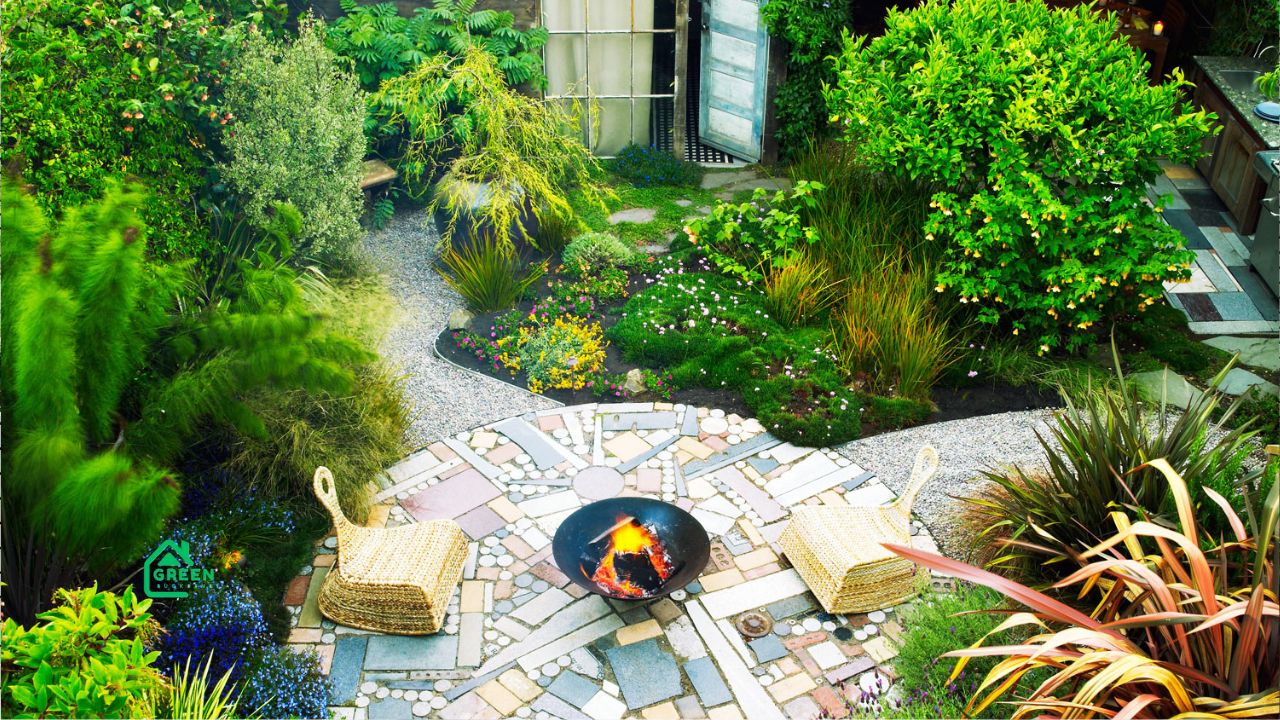
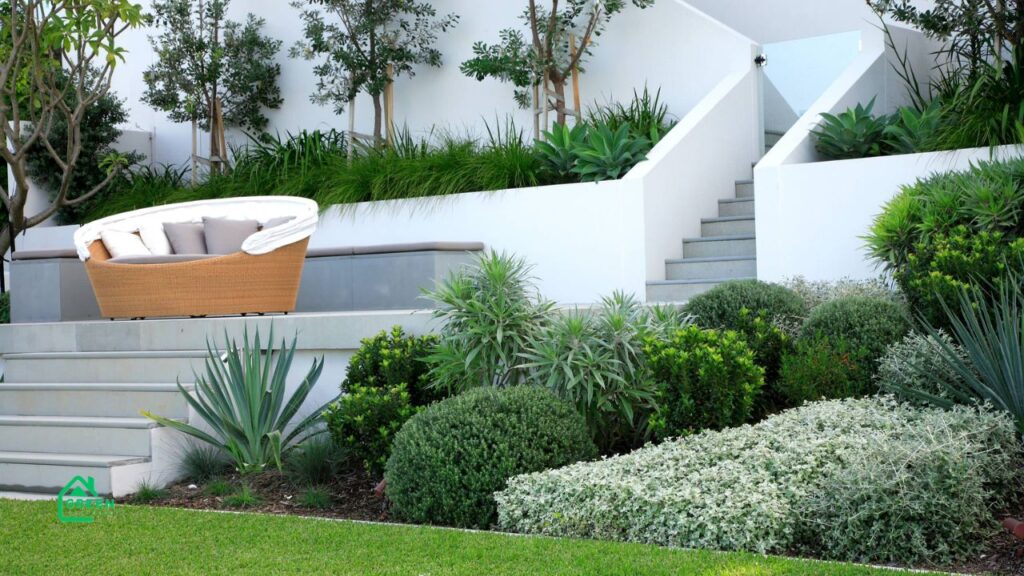
After two short paragraphs of conceptual clarity, visual inspiration helps ground ideas.
Planning Your Garden the Right Way
Good gardens start on paper, not in nurseries. Planning saves money, time, and disappointment. Begin by observing your space for a full week. Notice sunlight patterns, wind flow, and natural shade.
Ask yourself:
- Where do people walk most?
- Which areas feel unused?
- Where do you naturally sit or pause?
decoradhouse garden tips by decoratoradvice emphasize zoning—dividing your garden into purpose-based areas such as seating, planting, and open movement space.
Once zones are clear, decoration becomes easier and far more intentional.
Soil, Sunlight, and Smart Layout Choices
Ignoring soil quality is one of the fastest ways to fail at gardening. Healthy soil equals healthy plants. Test soil texture by hand; sandy soils drain fast, while clay holds water too long.
Sun exposure matters just as much. Most flowering plants require six hours of direct sunlight, while leafy greens thrive in partial shade.
Layout decisions should follow nature, not fight it. Paths should curve naturally, plants should face their preferred light, and water access should remain simple.
Plant Selection for Long-Term Success
The biggest mistake homeowners make is choosing plants based purely on looks. Visual appeal fades quickly if a plant constantly struggles.
Instead, prioritize:
- Native or climate-friendly plants
- Perennials over high-maintenance annuals
- Growth size at maturity, not purchase size
By following decoradhouse garden tips by decoratoradvice, gardeners learn to think three years ahead, not three weeks.
Layering plants—ground cover, mid-height shrubs, and taller accents—creates depth without clutter.
Small Garden and Balcony Solutions
Limited space doesn’t mean limited beauty. In fact, small gardens often feel more intimate and controlled. Vertical gardening is a powerful solution for balconies and narrow yards.
Effective techniques include:
- Wall-mounted planters
- Hanging herb baskets
- Slim trellises with climbers
Furniture should remain light and movable. Foldable seating and narrow benches preserve flow while maintaining comfort.
Sustainable and Low-Maintenance Gardening
Sustainability isn’t a trend—it’s a necessity. Water shortages and rising costs demand smarter garden systems. Mulching reduces evaporation, compost improves soil health, and drip irrigation minimizes waste.
Low-maintenance gardens focus on:
- Drought-tolerant plants
- Automated watering timers
- Minimal lawn areas
These practices don’t reduce beauty; they increase reliability.
Seasonal Garden Care Strategies
Gardens change constantly, and maintenance must adapt. Spring is for soil renewal and planting. Summer focuses on watering discipline and pruning. Autumn prepares roots for colder months. Winter protects and plans.
A seasonal mindset prevents burnout. decoradhouse garden tips by decoratoradvice encourage working with nature’s rhythm rather than forcing year-round perfection.
Small, consistent actions outperform occasional overhauls every time.
Common Garden Design Mistakes to Avoid
Many gardens fail not from neglect, but from over-enthusiasm. Overplanting suffocates growth. Mixing too many styles creates visual chaos. Ignoring drainage leads to rot and pests.
Avoid:
- Buying plants without size research
- Filling every empty space immediately
- Choosing decor that overwhelms greenery
Simplicity always ages better than excess.
FAQ
What makes decoradhouse garden tips by decoratoradvice different from others?
They focus on real homes, real budgets, and real maintenance levels rather than idealized showroom gardens.
Are these tips suitable for renters?
Yes, many strategies focus on movable containers, vertical systems, and non-permanent layouts.
How often should a home garden be redesigned?
Major redesigns aren’t necessary often. Minor seasonal adjustments usually keep spaces fresh and functional.
Do these garden tips work for all climates?
The principles apply universally, though plant choices should always match local conditions.
Can beginners follow this approach easily?
Absolutely. The philosophy simplifies decisions instead of overwhelming new gardeners.
Is professional help required?
Not usually. Most homeowners can implement these ideas independently with basic tools.
How long before results become visible?
Most improvements show within one growing season, with stronger results over time.
Conclusion
A garden doesn’t need to be perfect to be meaningful. It needs intention, patience, and thoughtful choices. By following decoradhouse garden tips by decoratoradvice, homeowners can transform outdoor spaces into calm, functional extensions of daily life.
Good gardens grow slowly, improve quietly, and reward consistently. When design aligns with nature instead of fighting it, beauty becomes effortless—and lasting.