Experiencing water damage in your Kansas City home can be a distressing event, impacting everything from the structure’s integrity to your belongings. In 2020, the average insurance claim for home water damage in the United States was about $10,849, indicating the potential cost and significance of such incidents. Restoring your home effectively requires a thorough understanding of the steps involved and prompt action.
Understanding the suitable methods for restoration can mitigate losses and help return your living space to a safe and comfortable condition. Below, we delve into the essential steps homeowners should undertake to revitalize their homes after water damage.
Assessing Water Damage in Your Kansas City Home
Identifying the extent of water damage is the first critical step. It’s recommended to contact professionals who specialize in water damage restoration Kansas City, as they have the tools and expertise to conduct a comprehensive assessment. The severity of damage can range from cosmetic to structural hazards.
Photographic documentation is essential for insurance purposes before cleanup begins. This evidence can substantially streamline the claims process. A proficient team will also categorize the water damage by its source, whether it’s clean water, gray water, or the more hazardous black water, which can dictate the required safety measures and cleaning methods.
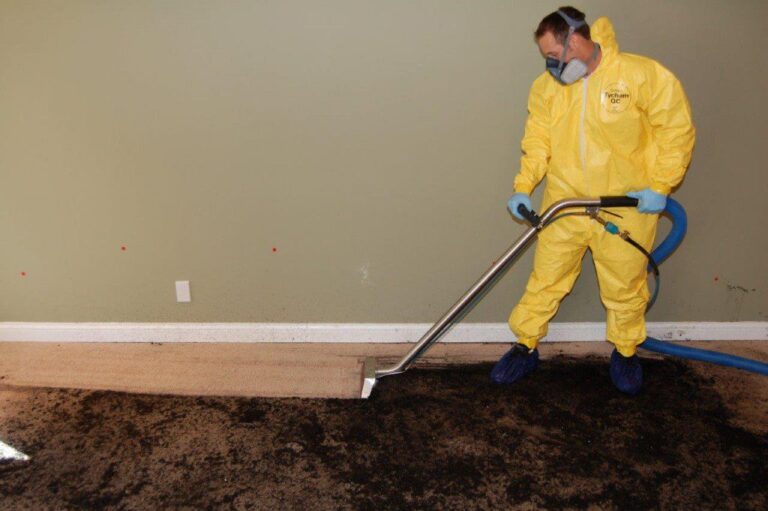
Immediate action is paramount to prevent mold growth and secondary damage. Extracting water with specialized equipment, such as pumps or vacuums, should commence without delay, ushered in by a detailed damage report from the assessment team that highlights areas needing targeted intervention.
Steps to Effectively Dry Out Your Home
After water removal, drying out your home is the next essential step to prevent further damage. This often involves the use of dehumidifiers and air movers, which, compared to conventional fans, can accelerate the drying process by 40%. Residential spaces must reach dry standard levels to ward off mold and structural problems.
Monitoring the humidity and moisture levels in your home is critical to ensuring a thorough drying process. Professionals may utilize hygrometers and moisture detectors to measure and track progress, adjusting equipment configurations as necessary to optimize results.
Don’t overlook the importance of ventilating the affected area. Opening windows and doors can aid in reducing moisture levels if weather conditions allow. This ventilation tactic complements the mechanical equipment, ensuring a comprehensive drying strategy is in place.
Repairing and Rebuilding After Water Damage
Once the drying process is complete, repair and reconstruction begin. This may range from minor repairs, such as painting and replacing flooring, to major reconstruction, such as the rebuilding of entire rooms or wall systems. On average, homeowners may spend between $1,074 and $4,090 on such repairs, though severe cases can significantly exceed this range.
Working with reliable contractors and restoration specialists is vital for returning your home to a pre-damage state. They should provide you with a clear timeline and an itemized list of the work to be done, ensuring accountability and clarity. This stage often includes replacing damaged materials, such as drywall and insulation, which are susceptible to water retention and subsequent mold growth.
Consider upgrading building materials to water-resistant versions to enhance durability against future incidents. Materials like concrete board, stainless steel, and specially treated wood can provide additional resistance in areas prone to moisture.
Preventing Future Water Damage in Your Kansas City Residence
Preventive measures are crucial to mitigate the risk of future. Regular maintenance of your home’s plumbing system and a yearly inspection can identify potential issues before they escalate into emergencies.
Installing water detection systems can offer an early warning in the event of leaks or flooding. These systems, some of which connect to smartphones, can alert homeowners instantaneously when moisture levels surpass a certain threshold, allowing for quicker intervention.
Ultimately, restoring a home after water damage involves a mix of swift action, technical know-how, and future-proofing strategies. By following these detailed steps and consulting with experts, homeowners in Kansas City can navigate the aftermath of water damage with confidence and preparedness, securing the safety and comfort of their living spaces for years to come.