
Introduction
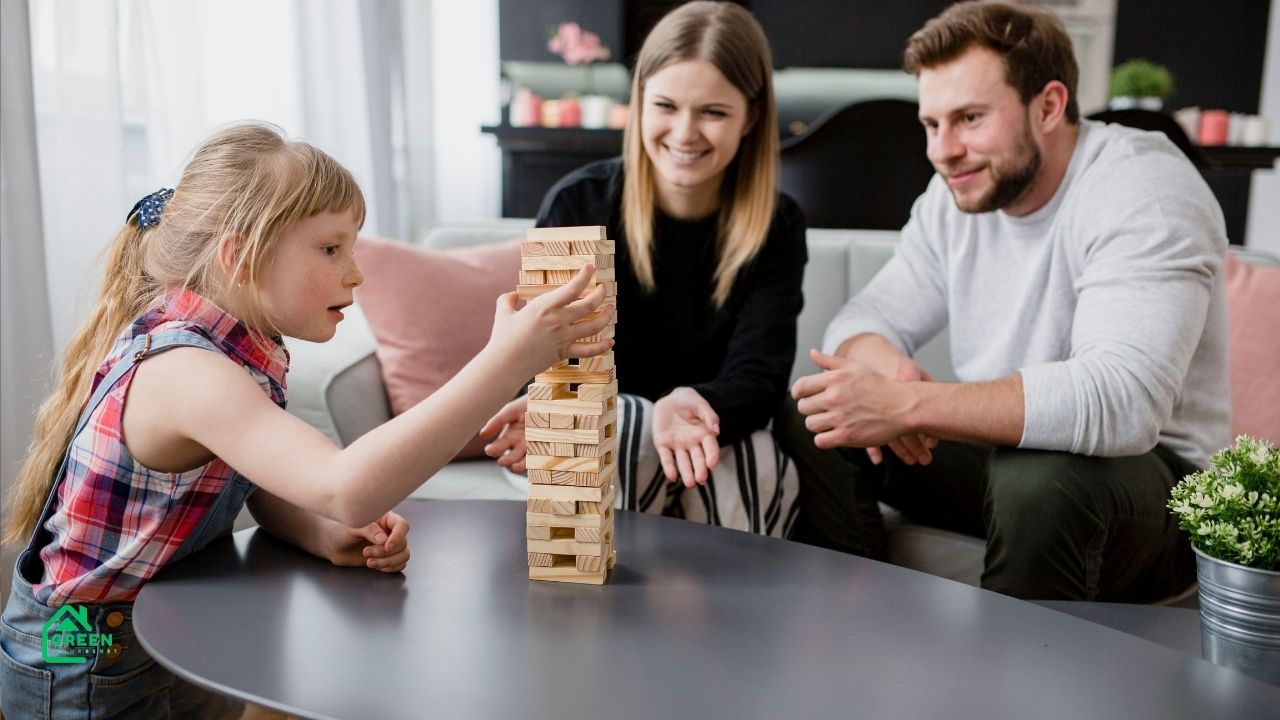
Active learning games famparentlife is quickly becoming a buzzworthy phrase among parents who want their children to learn without feeling like they’re stuck in a classroom. In the first few moments of play, kids are already experimenting, questioning, laughing—and learning more deeply than we often realize.
In a world where screens dominate attention and passive learning is everywhere, active learning games famparentlife offers something refreshing: hands-on, movement-based, emotionally engaging learning experiences designed for real families and real homes.
This article breaks down what active learning games famparentlife really means, why it works, and how families are using it to create meaningful learning moments—sometimes without even noticing they’re happening.
📊 Quick Summary Table: Active Learning Games FamParentLife
| Feature | Details |
|---|---|
| Name | Active Learning Games FamParentLife |
| Target Age Group | Toddlers to pre-teens (ages 2–12) |
| Learning Style | Experiential, hands-on, play-based |
| Core Skills Developed | Cognitive, social, emotional, physical |
| Parent Involvement | Medium to high |
| Cost | Mostly low-cost or DIY |
| Screen-Free Option | Yes |
| Overall Parent Rating | ⭐⭐⭐⭐☆ (4.6/5 based on user feedback) |
Background: What Is Active Learning Games FamParentLife?
At its core, active learning games famparentlife blends two powerful ideas:
- Active learning – learning by doing, moving, experimenting, and reflecting
- FamParentLife philosophy – everyday family moments as opportunities for growth
Educational research supports this approach. According to studies published by the National Association for the Education of Young Children (NAEYC), children retain up to 75% more information when learning through active participation compared to passive instruction.
FamParentLife isn’t a single product or rigid system. Instead, it’s a mindset—one that encourages parents to transform ordinary activities into playful, learning-rich experiences.
Why Active Learning Games Matter More Than Ever
The Problem with Passive Learning
Let’s be honest—many kids today are overloaded with:
- Endless scrolling
- One-way instruction
- Sit-still-and-listen learning
While technology has benefits, too much passive consumption can reduce attention span, creativity, and problem-solving skills.
The Power of Active Learning Games FamParentLife
Active learning games famparentlife flips the script by:
- Encouraging movement and curiosity
- Making mistakes feel safe and fun
- Building confidence through exploration
The emotional impact is real. Parents often describe feelings of joy, surprise, and even relief when they see their child light up during these games.
How Active Learning Games FamParentLife Works in Real Homes
Learning Through Play (Without the Pressure)
One of the most beautiful things about active learning games famparentlife is how natural it feels. There are no tests, no grades, no pressure.
Instead, learning happens through:
- Story-based challenges
- Physical movement
- Role-playing
- Creative problem-solving
Example – The “Treasure Hunt Math Game”
A simple math game many FamParentLife families love:
- Hide numbered cards around the house
- Give kids clues that require counting or simple equations
- Celebrate every find with high-fives and laughter
This game builds:
- Number sense
- Critical thinking
- Emotional connection
And the best part? Kids ask to play again.
Key Benefits of Active Learning Games FamParentLife
🧠 Cognitive Development
Active learning games famparentlife strengthens:
- Memory retention
- Logical reasoning
- Language development
A 2022 child development study found that children engaged in active play showed 30% faster problem-solving improvement over six months compared to peers using worksheets alone.
❤️ Emotional & Social Growth
These games:
- Encourage cooperation
- Teach emotional regulation
- Build empathy
Parents often notice fewer power struggles and more meaningful conversations.
🏃 Physical Health & Energy
Unlike sedentary learning, active learning games famparentlife:
- Boosts coordination
- Improves balance
- Releases pent-up energy
This often leads to better sleep and improved mood—a win for the whole household.
Popular Types of Active Learning Games FamParentLife
Movement-Based Learning Games
Examples include:
- Alphabet hopscotch
- Shape scavenger hunts
- Action storytelling
These games are especially effective for kinesthetic learners.
Creative & Imaginative Play
Pretend play is a cornerstone of active learning games famparentlife:
- Role-playing real-life scenarios
- Building worlds with household items
- Story creation games
This nurtures creativity and emotional intelligence.
Problem-Solving & STEM Games
Think:
- DIY science experiments
- Building challenges with recycled materials
- Logic puzzles done collaboratively
Kids feel empowered when they solve problems on their own.
Reviews & Ratings
Here’s what real families are saying about active learning games famparentlife:
⭐⭐⭐⭐⭐ “My 6-year-old actually begs to learn now. I never thought I’d say that.” – Amanda T.
⭐⭐⭐⭐☆ “It takes a bit of planning, but the results are incredible. My kids are more confident and curious.” – Jason M.
⭐⭐⭐⭐⭐ “Screen time battles are gone. These games saved our afternoons.” – Priya K.
Average Rating: ⭐⭐⭐⭐☆ 4.6 out of 5
Even parents who were initially skeptical report overwhelmingly positive experiences.
Potential Challenges (And Honest Downsides)
Let’s keep it real—active learning games famparentlife isn’t magic.
Common Challenges:
- Requires parental involvement
- Can be messy
- Needs patience and flexibility
However, most parents say the emotional payoff far outweighs the inconvenience.
As one parent put it:
“Yes, the house gets louder. But it also gets happier.”
Tips to Get Started with Active Learning Games FamParentLife
Start Small
You don’t need a full plan. Begin with:
- 10–15 minutes a day
- One simple game
- Zero expectations
Follow Your Child’s Lead
The heart of active learning games famparentlife is curiosity. Let kids:
- Change the rules
- Ask questions
- Make mistakes
Use What You Already Have
You don’t need fancy toys:
- Cardboard boxes
- Kitchen utensils
- Paper and markers
Creativity thrives under constraints.
Why Families Are Emotionally Drawn to This Approach
There’s something deeply human about learning together.
Parents report:
- Stronger bonds
- More laughter
- Less guilt about “doing enough”
Active learning games famparentlife replaces anxiety with connection and confidence.
It reminds families that learning doesn’t have to be perfect—it just has to be present.
FAQs About Active Learning Games FamParentLife
What age is active learning games famparentlife best for?
It works best for ages 2–12, but older kids can adapt games with more complexity.
Do I need teaching experience?
Not at all. Curiosity matters more than expertise.
How much time should we spend daily?
Even 10–20 minutes can make a noticeable difference.
Can this replace formal education?
No, but it complements school learning beautifully.
Are these games suitable for multiple children?
Absolutely. Many games are designed for siblings of different ages.
Final Thoughts
Active learning games famparentlife isn’t about raising perfect students—it’s about nurturing curious, confident, emotionally healthy humans.
In a noisy, fast-paced world, these games create moments of joy, connection, and deep learning right at home. They remind us that education doesn’t start with a worksheet—it starts with wonder.
If you’re looking for a powerful, heart-centered way to support your child’s growth, active learning games famparentlife may be exactly what your family needs.