
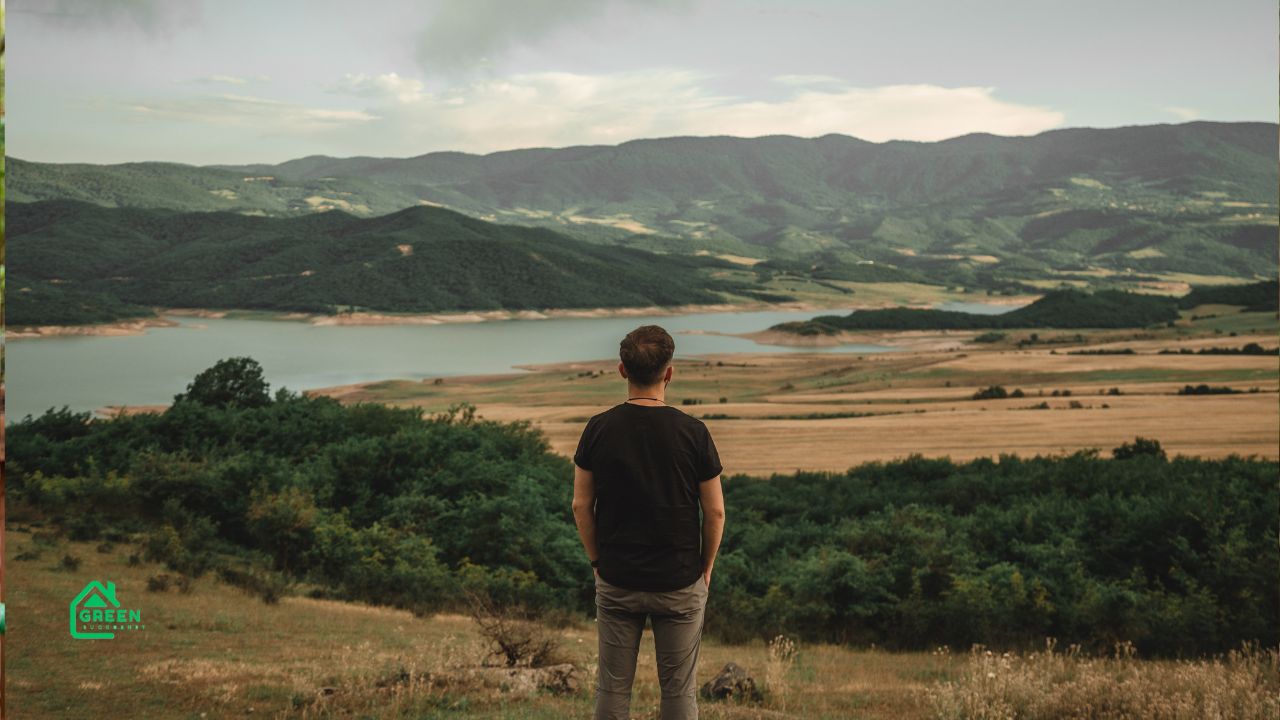
The concept of ramechanic landscapes diverse terrains rugged outback often conjures images of raw, untamed nature—a place where geology and time collide to create something truly spectacular. These are not just any landscapes; they are dynamic systems, constantly shaped by powerful natural forces, presenting both immense challenges and breathtaking beauty.
From the sun-scorched deserts to the windswept mountain ranges, these environments test the limits of life and machinery. For adventurers, scientists, and off-road enthusiasts, exploring these areas is the ultimate test of skill and endurance. It’s a journey into the heart of our planet’s most formidable creations.
This guide will take you through the fascinating world of ramechanic landscapes. We’ll explore what defines them, where to find them, and how to navigate their often-treacherous beauty safely and respectfully.
Summary of Ramechanic Landscape Types
| Landscape Type | Defining Features | Common Challenges | Primary Geological Force |
|---|---|---|---|
| Arid Deserts | Extreme temperatures, sand dunes, rocky plains | Dehydration, vehicle overheating, navigation | Wind (Aeolian) |
| Mountain Ranges | High altitudes, steep inclines, loose scree | Altitude sickness, rockfalls, unpredictable weather | Tectonic uplift |
| Coastal Cliffs | Salt spray corrosion, sheer drops, unstable edges | Erosion, powerful waves, limited access | Water (Hydraulic action) |
| Volcanic Fields | Sharp lava rock, geothermal vents, craters | Punctures, toxic gases, unstable ground | Volcanic activity |
| Glacial Moraines | Ice sheets, crevasses, boulder fields | Hypothermia, hidden dangers, difficult traction | Ice (Glacial movement) |
What Exactly Are Ramechanic Landscapes?
The term “ramechanic” might sound technical, but it simply refers to the mechanical and physical processes that sculpt our world. Think of it as Earth’s engineering—the immense pressures, erosional forces, and climatic events that build mountains, carve canyons, and stretch deserts across continents.
These landscapes are often found in remote locations, far from urban development. They are characterized by their raw and often harsh conditions. Exploring them requires a deep understanding of both the environment and the equipment needed to traverse it. The rugged outback of Australia is a prime example, a vast expanse where mechanical reliability is not just a convenience but a lifeline.
The Forces at Play
Several key forces are responsible for creating the ramechanic landscapes diverse terrains rugged outback we see today.
Tectonic Activity: The World Builders
The slow, grinding movement of Earth’s tectonic plates is the primary architect of our planet’s grandest features. When plates collide, they thrust land upwards, forming staggering mountain ranges like the Himalayas and the Andes. This process creates steep gradients, deep valleys, and a constant state of change through earthquakes and uplift.
Erosion: The Master Sculptor
Once the mountains are built, erosion gets to work. Water, wind, and ice are relentless artists, carving, smoothing, and transporting material over millions of years.
- Water Erosion: Rivers carve deep canyons, like the Grand Canyon, showcasing layers of geological history. Flash floods in arid regions can reshape a landscape in mere hours, creating a surprisingly dynamic environment.
- Wind Erosion: In deserts, wind acts like a sandblaster, sculpting rocks into otherworldly shapes known as ventifacts. It also builds the majestic, ever-shifting sand dunes of the Sahara and the Namib.
- Glacial Erosion: Massive glaciers act like bulldozers, gouging out U-shaped valleys, creating sharp-edged arêtes, and leaving behind fields of rock and debris known as moraines.
Volcanic and Geothermal Activity
Volcanic eruptions create entirely new landforms almost overnight. Lava flows solidify into vast, sharp fields of basalt, and calderas form where volcanoes collapse. These areas, like those found in Iceland and Hawaii, are a testament to the fiery power simmering just beneath our feet.
Navigating the World’s Most Rugged Outback
Successfully exploring ramechanic landscapes diverse terrains rugged outback is about more than just having a capable vehicle; it’s about knowledge, preparation, and mindset.
Essential Gear and Vehicle Preparation
Your vehicle is your primary tool and your lifeline. Standard vehicles simply won’t survive.
Vehicle Modifications
- Suspension Lift: Crucial for clearing obstacles and improving ground clearance. A quality 2-3 inch lift is standard.
- All-Terrain or Mud-Terrain Tires: These provide superior traction and are built with reinforced sidewalls to resist punctures from sharp rocks.
- Underbody Protection: Skid plates for the engine, transmission, and fuel tank are non-negotiable to protect vital components from impacts.
- Snorkel: This raised air intake is essential for water crossings and reduces dust intake in arid environments, protecting the engine.
Recovery Equipment
You should never venture into the outback without a comprehensive recovery kit.
- Winch: A powerful electric winch can pull your vehicle out of mud, sand, or a difficult incline.
- Recovery Tracks: Boards like MAXTRAX or TREDs are invaluable for gaining traction in sand or mud.
- High-Lift Jack: More versatile than a standard jack, it can be used for lifting, winching, and clamping.
- Snatch Strap and Shackles: Used for recovering a vehicle with the help of another.
Case Study: The Canning Stock Route, Australia
The Canning Stock Route is arguably one of the most challenging overland tracks in the world. Stretching nearly 1,850 kilometers through the Western Australian desert, it embodies the spirit of the rugged outback.
Originally established as a route for droving cattle, it now attracts only the most experienced and well-prepared adventurers. The track crosses over 900 sand dunes and traverses corrugated roads that can shake a vehicle to pieces. A trip along the Canning requires carrying all fuel, water, and supplies for several weeks, as there are no services along the way. It’s a true test of mechanical endurance and human resilience.
The Ramechanic Landscapes Diverse Terrains Rugged Outback
These landscapes are incredibly varied. Each type presents a unique set of challenges and requires a different approach.
The Arid Deserts
Deserts are defined by their lack of precipitation. But they are far from empty. They can be vast sand seas (ergs), rocky plains (regs), or salt flats.
- Navigational Challenges: The featureless expanse can be disorienting. GPS is essential, but so are traditional map and compass skills in case of electronic failure.
- Mechanical Stress: Extreme heat puts an enormous strain on a vehicle’s cooling system. Fine, abrasive sand gets into everything, accelerating wear and tear on moving parts.
The Towering Mountain Ranges
High-altitude environments are beautiful but dangerous. The air is thin, the weather is volatile, and the terrain is treacherous.
- Altitude Sickness: This can affect anyone, regardless of fitness level. Gradual acclimatization is key to avoiding headaches, nausea, and more serious complications.
- Steep and Unstable Terrain: Trails are often narrow, with loose rocks (scree) and sheer drop-offs. Low-range gearing and careful tire placement are critical driving skills here.
Coastal and Volcanic Zones
Coastal cliffs and volcanic fields offer a different kind of challenge.
- Corrosion: Salt spray from the ocean is highly corrosive. Vehicles used in these areas require thorough cleaning and rust-proofing to prevent long-term damage.
- Sharp Surfaces: Volcanic rock, like a’a lava, is incredibly sharp and abrasive. It can shred even the toughest tires, making multiple spare tires a necessity.
The Human Element: Mindset and Responsibility
The most important component of any expedition into a ramechanic landscape is the human one. Your mindset and decisions are what ultimately ensure a safe and successful trip.
The Psychological Challenge
Isolation and the constant potential for something to go wrong can be mentally taxing. Staying calm under pressure, especially when a vehicle breaks down or someone is injured, is a critical skill. The feeling of being truly alone can be both liberating and terrifying.
Environmental Responsibility
These pristine environments are fragile. It is our duty to protect them.
- Leave No Trace: This principle is paramount. Pack out everything you pack in, including all trash.
- Stick to Designated Tracks: Driving off-trail can cause irreparable damage to delicate ecosystems and soil crusts that have taken centuries to form.
- Respect Cultural Heritage: Many of these remote areas hold deep cultural significance for indigenous peoples. Be aware of and respect sacred sites.
Frequently Asked Questions (FAQs)

What is the best type of vehicle for exploring a ramechanic landscape?
There’s no single “best” vehicle, but capable 4x4s like the Toyota Land Cruiser, Jeep Wrangler, or Land Rover Defender are popular choices. The key is not the brand, but the modifications and preparation, including robust suspension, tires, and recovery gear.
How much experience do I need before tackling a rugged outback trail?
You should start small. Gain experience on easier local trails and join a 4×4 club to learn from others. Progress to multi-day trips in less remote areas before considering a major expedition like the Canning Stock Route or traversing the Andes.
What are the most common mechanical failures in these terrains?
Tire punctures are by far the most common issue. Suspension components (shock absorbers, springs) are also under immense stress and can fail. Overheating engines and electrical issues caused by vibrations are other frequent problems.
Is it safe to travel alone in these remote areas?
Traveling solo is generally not recommended, especially for beginners. Going with at least one other vehicle provides a crucial safety net for recovery and emergencies. If you must go alone, carry a satellite phone or personal locator beacon (PLB).
A Final Word
Exploring ramechanic landscapes diverse terrains rugged outback is more than just an adventure—it’s an education. It connects us to the fundamental forces that shape our planet and teaches us profound lessons in self-reliance, preparation, and humility.
The stunning beauty of a desert sunset, the awe-inspiring scale of a mountain range, and the satisfaction of navigating a difficult trail are experiences that stay with you forever. While the challenges are significant, the rewards are immeasurable. These are the places where the story of our Earth is written on the land itself, waiting for those with the courage to read it.