Step into a bathroom that’s been around for five years, and chances are you’ll notice something’s off. Cracked grout snaking across the floor. Surfaces that look perpetually grimy no matter how much you scrub. Maybe water stains bleeding out from underneath—yikes. Here’s the thing: those problems didn’t happen because someone picked out hideous tiles.
They happened because the wrong materials ended up in the wrong environment, and now you’re looking at a wallet-draining demolition job. This practical guide walks you through picking tiles that look incredible *and* give you long-term bathroom flooring that won’t fall apart after a couple years of daily use.
Consider your actual life, too. Kids dragging in sand from outside, pets with claws, aging in place—these realities completely change what qualifies as durable for *your* situation.
Material Picks That Actually Last in Bathrooms
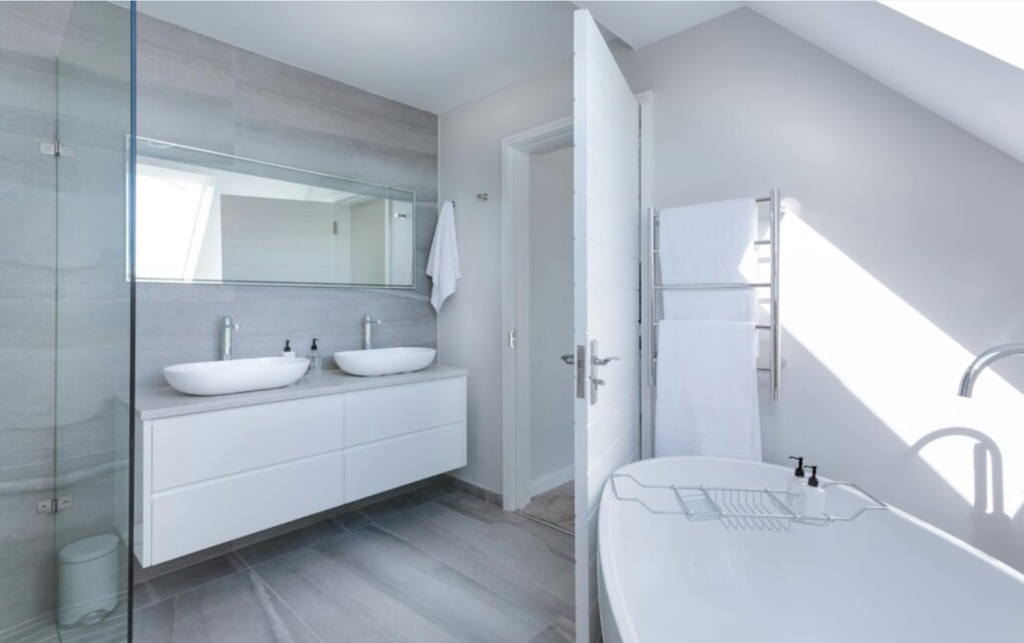
When you’re figuring out how to choose bathroom tiles, material matters more than pretty pictures—though you shouldn’t sacrifice looks. TileBar stocks over 6,000 design-forward options combining beauty with real durability, so compromise isn’t necessary. Different materials work better in different bathroom zones, and understanding this saves you from expensive mistakes later.
Porcelain Tile for Long-Lasting Performance
Porcelain gives you the best bang for your buck in most bathroom situations. Dense construction and minimal water absorption make it perfect for daily wet use—floors, shower walls, even steam showers when properly rated. Today’s marble-look porcelain genuinely rivals natural stone, and clients adore getting that elegance without the headache factor.
Porcelain doesn’t need sealing, fights off stains and scratches, and cleans up easily (nari.org).
Go for through-body porcelain if chips worry you, or pick quality glazed porcelain for more design flexibility. Either way, you’re getting a tough material that laughs at moisture and foot traffic.
Ceramic Tile (Smart Uses + Limits)
Ceramic shines on walls and backsplashes where it won’t take a beating. It absorbs more water than porcelain, making it less ideal for floors—especially if the glaze chips. That said, ceramic remains a solid choice for vertical surfaces in budget-friendly remodels, assuming you’ve got proper waterproofing behind it. Don’t let anyone tell you ceramic can’t last. It just needs the right application.
Natural Stone (Luxury + Durability Depends)
Granite and quartzite bring serious toughness. Marble and limestone? You need realistic expectations about etching from acidic products. Your daily cosmetics, cleaning products, and hard water can all mark up softer stones. Natural stone demands pH-neutral cleaning and regular sealing, but plenty of homeowners love how it develops character over time. Just make sure you’re actually up for the maintenance before committing.
With material knowledge locked down, let’s learn the technical specs that separate marketing hype from genuine long-term durability.
Performance-First Tile Selection Checklist
Before you lose your heart to some gorgeous pattern at the showroom, let’s talk about why tiles actually fail. Prevention beats damage control every time, right? The tile industry puts serious effort into training installers—more than most flooring sectors, actually (carpetrecovery.org). That’s great news when you find a qualified pro. But even a perfect installation can’t save you if you’ve chosen materials that can’t handle what your bathroom dishes out.
The real enemies of tile longevity? They’re sneakier than most folks realize. Water doesn’t just sit on top—it sneaks behind the surface, making your waterproofing membrane way more important than the tile’s pretty glaze. Subfloors that move and flex will crack your grout and tiles eventually, especially in older houses with some bounce. And soap scum plus hard water? They don’t just look nasty. They can permanently wreck certain finishes or eat into natural stone.
The “Failure Modes” to Design Against
You want tiles surviving 10 to 20 years minimum without drama. That means thinking about common problems before they start. Polished tiles in wet zones look stunning until someone slips and falls. Poor layout choices create weak spots—those tiny slivers near doorways or awkward transitions between rooms crack first or pop loose.
Quick Decision Matrix
Floor tiles face totally different challenges than shower walls. Tub surrounds need different considerations than vanity backsplashes. A rental property demands different thinking than your forever home. Be straight with yourself about maintenance—will you seal natural stone twice yearly, or do you need something you can wipe down and forget?
Now that you get why bathroom projects fail, let’s dig into specific materials that actually deliver lasting performance without requiring constant babying.
Durability Metrics That Matter
Technical ratings aren’t meaningless jargon—they reveal whether your beautiful tile choice will survive your household’s reality. Understanding these metrics helps you evaluate any tile confidently, whether you’re browsing a big box store or a specialty showroom.
Water Absorption and Wet-Area Suitability
Aim for porcelain in floors and showers, but double-check that manufacturer specs explicitly approve wet zone use. Here’s what trips people up: tile itself isn’t your waterproof layer. The *system* is—tile plus waterproofing membrane plus proper drainage working as a team. Low absorption tile paired with shoddy waterproofing still fails.
PEI, MOHS, and Scratch Resistance Realities
PEI ratings matter more for floors than walls, but don’t obsess over maximum ratings unless you’ve got kids hauling sandbox sand across your bathroom daily. Higher MOHS ratings mean better scratch resistance, which becomes relevant with heavy vanity bases sitting directly on tile or pets with serious claws.
Slip Resistance That Feels Safe
COF and DCOF ratings measure traction, but you’ve got to think beyond numbers. A wet, soapy shower floor behaves differently than a damp bathroom floor. Matte and textured finishes generally beat polished surfaces in wet conditions without looking industrial. Test samples wet under your actual shower lighting before ordering bulk quantities.
Even the toughest tile can fail if installed in the wrong size or pattern, so let’s translate durability specs into smart format decisions.
Tile Size, Shape, and Layout Choices That Prevent Failures
Format selection impacts both looks and longevity in ways most people don’t realize until problems show up. The Mosaic Tile Market is projected to grow at a CAGR of 6.03% during 2023 and 2028, reflecting increased adoption of smaller formats for applications where they truly excel (newsroom.technavio.org).
Best Tile Sizes for Bathroom Floors
Large-format tiles mean fewer grout lines, but they require flatter substrates. If your subfloor isn’t dead flat, large tiles will rock or develop lippage that’s both ugly and hazardous. Shower floors need smaller formats—typically mosaics—to conform to the slope required for drainage. Budget for substrate prep if you’re going big, because lippage problems can’t be fixed post-installation without ripping everything out.
Grout Joint Strategy
Wider joints accommodate imperfect tile edges and structural movement better than tight joints. Rectified tiles allow tighter spacing, but only when your installer has the chops to pull it off properly. Mid-tone grout colors hide wear and discoloration way better than bright white, which starts looking dingy within months in high-traffic showers.
Pattern Decisions That Reduce Problems
Plank tiles shouldn’t exceed recommended stagger limits—crazy offsets stress the material and create failure points. Avoid tiny slivers at corners and doorways by planning layout before installation kicks off. Movement joints around the perimeter aren’t optional, regardless of what your contractor suggests.
Perfect tile selection and layout mean nothing if the layers underneath fail, because tile is just the decorative finish covering the real structural system.
Waterproofing and Substrate Systems That Determine Longevity
This section isn’t glamorous, but it determines whether your tile job lasts five years or fifty. While ceramic tile itself resists water pretty well, the grout between tiles is porous and susceptible to absorption, making grout sealing crucial for preventing moisture disasters (enviroliteracy.org).
“Tile is Decorative—Waterproofing is Structural”
Think in layers: substrate, then waterproofing membrane, then thinset, then tile, then grout and sealant. Sheet membranes work beautifully for complex shower builds, while liquid-applied membranes suit simpler jobs. Neither is universally superior—each excels in specific scenarios based on your bathroom’s geometry and your installer’s expertise.
Shower Build Essentials
Sloped shower pans need pre-slope beneath the waterproofing, proper drain integration, and careful membrane lapping. Niches and benches become leak hotspots when builders rush or cut corners on waterproofing details. Steam showers require vapor management strategies that standard showers don’t.
Floor Underlayment and Deflection Control
Cement board, uncoupling membranes, and foam backer boards each serve distinct purposes. Your subfloor’s stiffness matters hugely—bouncy floors crack tiles no matter what you install between joists and tile.
Older homes frequently need crack-isolation membranes where different substrate materials meet.Understanding waterproofing systems gives you knowledge, but here’s how to ensure your contractor actually delivers quality execution.
Installation Specs Homeowners Should Ask For
A handful of specific questions reveal whether you’re dealing with a quality installer or someone who skips steps.
Questions That Reveal Quality Instantly
Ask for specific waterproofing product names and their complete installation system. Request their plan for achieving substrate flatness with large-format tiles. Find out where they’ll place movement joints and what spacing they’ll use. Get their thinset and grout type recommendations with explanations for why those products suit wet zones.
Mockups and Samples That Prevent Regrets
Test samples when wet to see how water spots and soap residue appear. Check how your tile looks under your actual bathroom lighting—2700K bulbs create wildly different effects than 4000K bulbs. These simple tests prevent expensive regrets after installation.A flawless installation buys decades of performance, but only when you protect that investment with appropriate daily habits.
Maintenance Plans That Keep Tiles Looking New
Daily maintenance habits matter infinitely more than occasional deep cleaning marathons.
Daily Cleaning Routines
Use non-acidic cleaners for stone and mild cleaners for porcelain. A daily squeegee habit in showers dramatically cuts scale buildup and grout discoloration. These simple steps take seconds but add years to your tile’s appearance.
Grout Longevity Upgrades
Epoxy grout costs more upfront but eliminates staining headaches and cleaning drama. High-performance cement grouts with proper sealers work nearly as well. Choose wisely here—installing better grout initially beats replacing failing grout later.
Preventing Mold Without Damaging Materials
Proper ventilation prevents more problems than any cleaning product. Size your exhaust fan appropriately, establish drying practices, and refresh caulk on schedule. Recurring mildew at corners signals movement or waterproofing issues, not just cleaning neglect.
Your Biggest Questions About Bathroom Tile Selection
Which bathroom tiles stay cleanest with hard water?
When you’re battling hard water, matte or satin-textured porcelain finishes hide mineral deposits far better than glossy options.Skip dark colors if you’ve got serious hard water—mid-tone tiles with subtle texture make maintenance nearly effortless while still looking polished.
Are large-format tiles risky for small bathrooms?
Large tiles work fine in compact spaces if your substrate is sufficiently flat. The cracking risk comes from substrate problems, not room dimensions. Just ensure proper preparation and you’ll avoid issues regardless of bathroom size.
Does porcelain really outperform ceramic on shower walls?
Porcelain’s lower absorption rate provides superior long-term moisture resistance, but both work on walls with proper waterproofing behind them. Porcelain offers extra insurance and typically maintains appearance longer, making it worth the modest price bump for most homeowners.
Final Thoughts on Selecting Bathroom Tiles That Last
Choosing tiles that deliver 20-plus years of solid performance isn’t rocket science once you understand the failure modes you’re designing against. Focus on appropriate materials for each bathroom zone, verify your waterproofing system addresses hidden moisture threats, and never skip substrate preparation regardless of timeline pressure.
The tiles themselves matter less than the complete system beneath them. Smart material selection paired with quality installation creates bathrooms that age gracefully without demanding constant attention or expensive repairs. Your tile investment should outlast trends, and with these strategies, it absolutely will.