
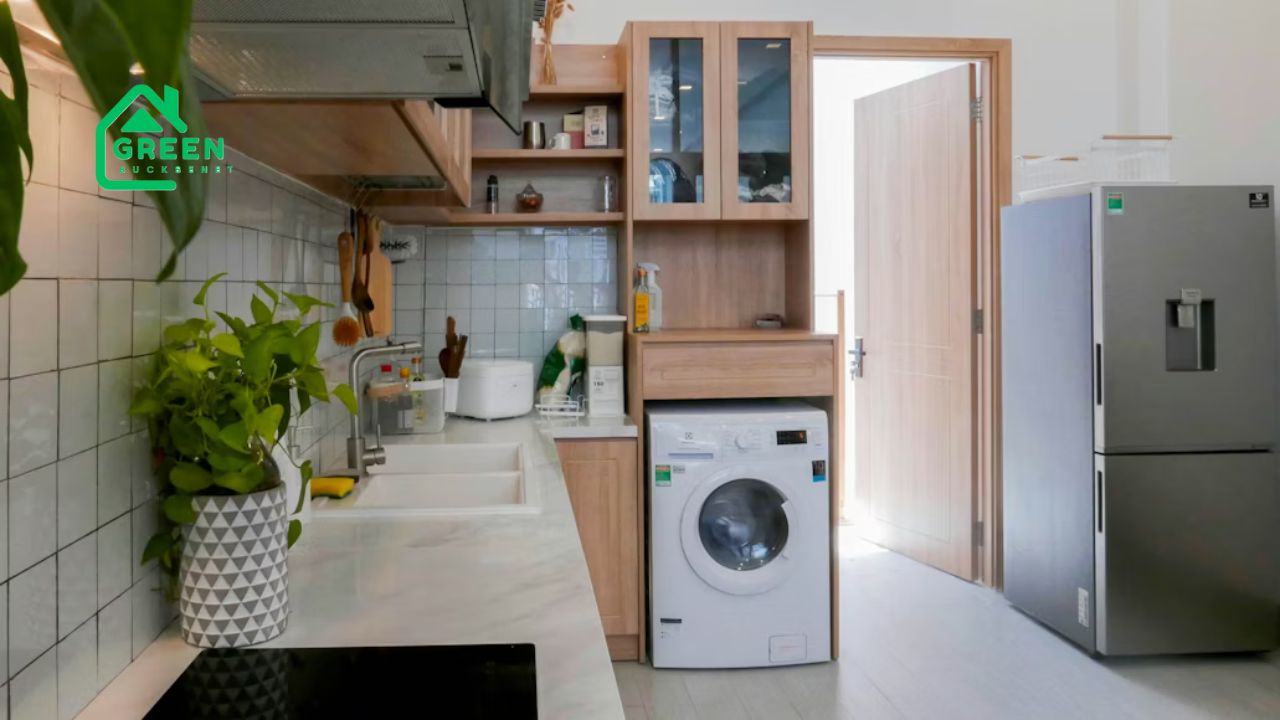
The neatly folded sheets emerge from the washing machine and dryer, a testament to the advent of smart household appliances. These machines no longer simply pound water and soap into a set of clothes; they represent a new frontier in the sphere of domestic convenience. The presence of these intelligent gadgets permeates daily life, altering chores that once demanded laborious effort.
Convenience Unleashed
Household appliances have shrugged off their decade-old limitations. From subtle lighting that responds to voice commands to thermostats that learn your schedule, these inventions bend and adapt to their users’ idiosyncratic routines. The greatest strength of these innovations lies in their ability to save time—an irreplaceable commodity.
Consider refrigerators that can calculate calorie intake. They don’t merely act as cold storage units but as stewards of dietary health, meant to deliver both information and sustenance. This evolution encourages the mindful consumption of resources; less time spent worrying about expired produce means more time spent experiencing life’s memorable moments.
Contemporary homes often benefit from interconnected systems that manage both comfort and utility functions. Smart appliances like washing machines or ovens are examples of such devices, which you should care for by undertaking important maintenance by contracting water heater installation and repair professionals like King Heating. This ensures that households maintain a seamless flow of operations, supporting both daily chores and sustainable practices.
Alongside convenience, these devices have become accomplices in environmental stewardship. Smart appliances, equipped to operate during non-peak hours, contribute significantly to energy efficiency. They not only reduce operator costs but also lessen the strain on electrical grids. This alignment with sustainable practices fosters partnerships between households and the greater ecological community.
The Clearinghouse for Home Data
The sinews of the home, bolstered by interconnected appliances, speak to an overarching network at play. Smart speakers, bread toasters, and even ovens can now communicate, sharing information to become part of a cohesive, unified system. These devices act as vigilant custodians—ensuring operations that align with daily life.
It’s more than just the tangible gadgets; it’s the intelligence woven into the home’s fabric. Cameras that alert homeowners of trespassers and automated vacuums that rid floors of debris are only the beginning. Each interacts seamlessly, ushering in a new era of peace and security.
The aggregation of data across these numerous devices is not just about functionality; it carves pathways toward personalization. Imagine homes that intuitively adjust to individual preferences, creating environments attuned to their residents’ personal balance between comfort and utility. This marriage between data and dwelling gives rise to a unique living experience that reflects its inhabitants.
Resilience in Connectivity
However, even amidst this era of convenience, questions about data privacy and security loom ominously. Connected devices are only as effective as the security measures protecting them. Ironclad data security is not a luxury; it is paramount to ensuring these machines do not become portals for digital intruders.
Each innovation comes with its antecedent sets of vulnerabilities, compelling users to adopt robust protection measures. Thus, informed consumers must demand a balance between innovation and security, as they are privy to—and need to pay attention to any possible threats within—connected systems.
Secure systems are only effective when users remain vigilant and well-informed. It’s essential for consumers to regularly educate themselves about potential vulnerabilities and the latest protective measures. Whether through routine updates or user guidelines, proactive involvement goes a long way in safeguarding one’s sanctuary from online threats.
The Aesthetic Dilemma
Though praised for their utility, smart household appliances also face skepticism over their saccharine aesthetic. Have they stripped the household of soul? Today, the digital utopia designed by innovators enforces a slick, minimalist interior. While some bask in the simplicity, others yearn for a home that reflects warmth and history.
Technology has yet to elicit a universal appeal. Can smart appliances cater to different tastes while maintaining their technological edge? The risk remains in swinging too far toward utility, alienating sectors of the populace who cherish aesthetic richness.
The key lies in fostering collaboration between creative designers and technological engineers. By integrating traditional craftsmanship with updated features, smart appliances can offer consumers solutions that blend ‘old world’ charm with contemporary expectations. This fusion seeks to address both functionalities without sacrificing individual expression.
Conclusion
The trajectory pointed by smart household appliances is clear and irreversible. These devices shape the contours of domestic life, steering it into uncharted territories of convenience, connectivity, and control. Genuine appreciation lies in recognizing the enormous body of work, evolved from the sweat of generations past, and realizing its potential while still protecting privacy and preserving individuality.